GFCI vs AFCI Protection: What's Required in St. Johns County Homes
Understanding the difference between GFCI and AFCI protection, and how they help keep your St. Johns County home safe
If you've recently remodeled your home, replaced a panel, or had electrical work performed in St. Johns County, you've probably heard the terms GFCI and AFCI. While both are important electrical safety devices, they serve very different purposes.
Understanding the difference between GFCI and AFCI protection can help homeowners stay code-compliant, improve safety, and avoid unnecessary electrical issues.
What Is a GFCI?
GFCI stands for Ground Fault Circuit Interrupter.
A GFCI is designed to protect people from electrical shock. It constantly monitors the flow of electricity and will shut off power in a fraction of a second if it detects electricity leaking from the intended circuit path.
This type of protection is especially important anywhere water may be present.
Common GFCI Locations:
• Bathrooms
• Kitchens
• Garages
• Laundry rooms
• Outdoor receptacles
• Pool equipment areas
• Crawl spaces
• Unfinished basements
• Wet bar areas
A GFCI can be installed as either:
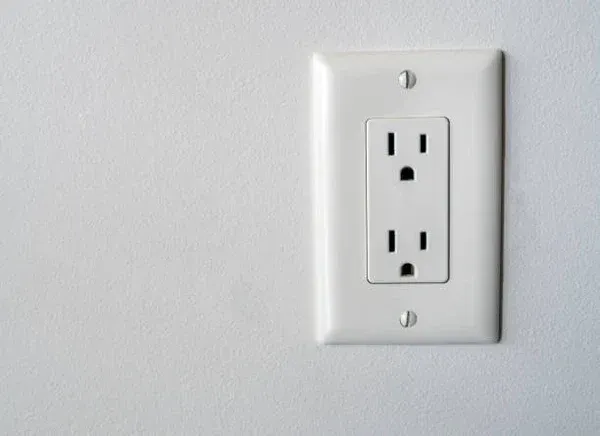
• A GFCI receptacle (the outlet with TEST and RESET buttons)
• A GFCI breaker located in the electrical panel
What Is an AFCI?
AFCI stands for Arc Fault Circuit Interrupter.
Unlike a GFCI, an AFCI is designed to prevent electrical fires. It detects dangerous arcing conditions that can occur from damaged wiring, loose connections, deteriorated cords, or other hidden electrical faults.
When an AFCI detects a hazardous arc, it automatically disconnects power before the condition can start a fire.
Common AFCI Protected Areas:
• Bedrooms
• Living rooms
• Dining rooms
• Family rooms
• Hallways
• Closets
• Dens
• Sunrooms
• Home offices
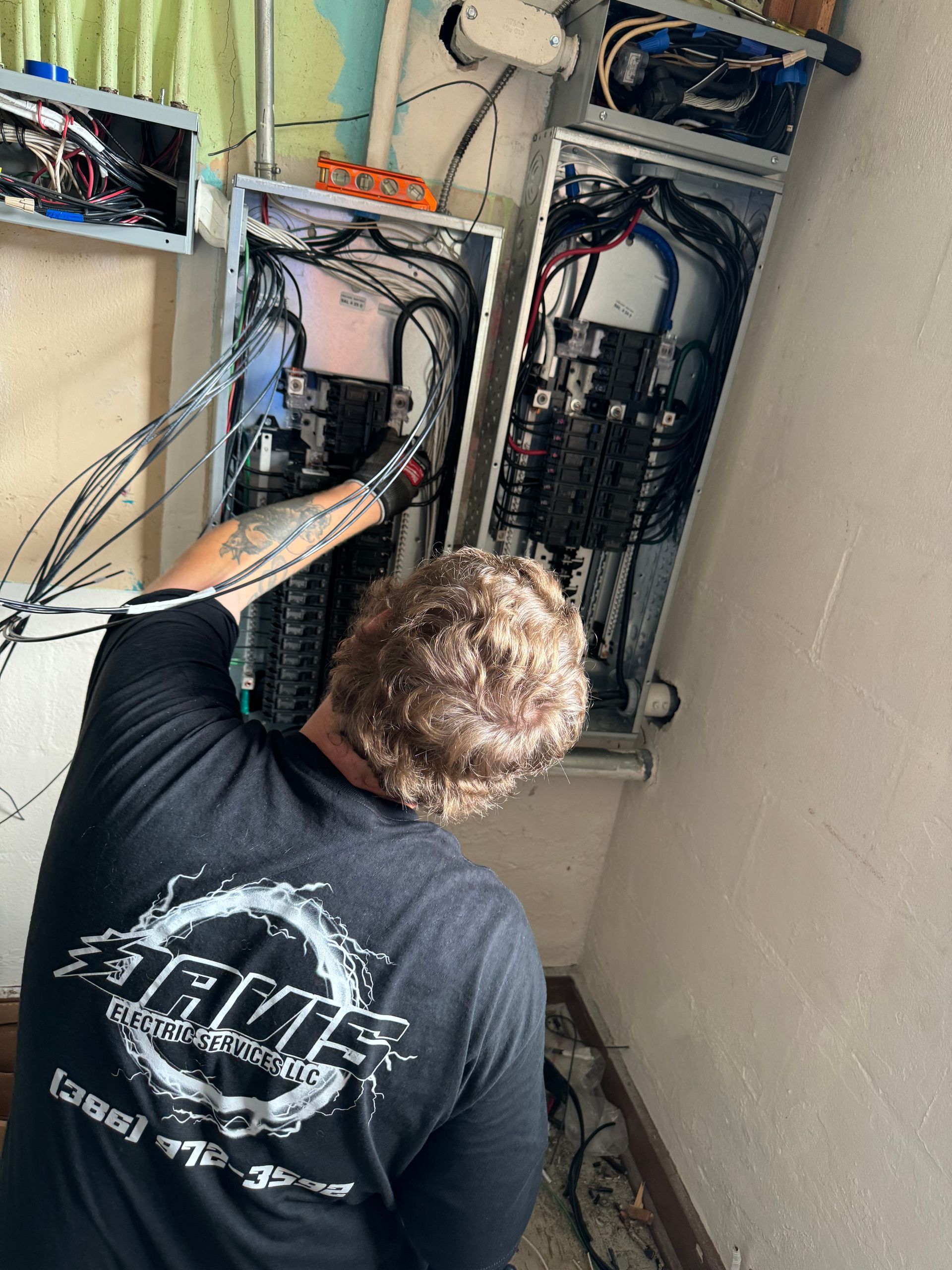
Most AFCI protection is provided through AFCI breakers installed in the electrical panel.
Why Are AFCIs Important?
Many electrical fires start behind walls where homeowners cannot see the problem.
A loose wire connection, damaged cable, or deteriorated electrical device may create small electrical arcs that generate heat over time. AFCI protection is specifically designed to identify these conditions before they become dangerous.
What Is Required in St. Johns County?
St. Johns County follows the Florida Building Code and National Electrical Code (NEC).
For most new construction, renovations, and many electrical upgrades, the following requirements typically apply:
GFCI Protection Required For:
• Kitchen countertop receptacles
• Bathroom receptacles
• Garage receptacles
• Outdoor receptacles
• Laundry areas
• Crawl spaces
• Wet locations
• Pool-related equipment circuits
AFCI Protection Required For:
• Most 120-volt, 15-amp and 20-amp circuits supplying living areas of the home
This generally includes:
• Bedrooms
• Living rooms
• Family rooms
• Dining rooms
• Hallways
• Closets
• Home offices
Many newer homes and remodeled homes require both GFCI and AFCI protection depending on the location and circuit type.
Can a Circuit Require Both?
Yes.
Many modern electrical installations require dual protection.
For example, a kitchen receptacle circuit may require:
• GFCI protection because it serves a kitchen area
• AFCI protection because it serves a habitable area of the home
This is commonly achieved using a dual-function AFCI/GFCI breaker.
Common Signs of a GFCI or AFCI Problem
You may need electrical service if you notice:
• Receptacles suddenly lose power
• GFCI outlets won't reset
• AFCI breakers trip repeatedly
• Flickering lights
• Burning odors near receptacles or switches
• Intermittent power loss
• Breakers that trip without an obvious cause
While nuisance tripping can occur, repeated trips should never be ignored, as they often indicate an underlying wiring issue.
When Should You Upgrade?
You should consider upgrading your protection devices if:
• Your home still has an older electrical panel
• You're remodeling a kitchen or bathroom
• You're adding circuits
• You're replacing an electrical panel
• Your home was built before current AFCI requirements existed
Upgrading to modern AFCI and GFCI protection can significantly improve the safety of your home and may be required during permitted electrical work.
Need GFCI or AFCI Installation in St. Johns County?
At Davis Electric Services LLC, we regularly install, troubleshoot, and upgrade AFCI and GFCI protection for homeowners throughout St. Johns County and Northeast Florida. Whether you're dealing with nuisance tripping, upgrading an electrical panel, or completing a remodel, we can help ensure your home's electrical system meets current code requirements and operates safely.